7 Reasons a Desentupidora Cidade Ademar Setup Beats the Alternatives
7 Reasons a Desentupidora Cidade Ademar Setup Beats the Alternatives
It is 11 p.m. on a Thursday in Cidade Ademar, and the kitchen sink has stopped draining while the washing machine is mid-cycle. You have two realistic choices: wait until morning and hope the water does not back up into the shower, or call someone who can arrive with a machine and clear the line tonight. Most residents in this district end up comparing three options — a neighborhood handyman, a general 24-hour call center, or a dedicated desentupidora Cidade Ademar team that knows the local pipe layout. This comparison looks at how each option actually performs when the clock is against you.
The short answer: for recurring blockages, backed-up sewage, or anything involving a condominium’s shared stack, a local specialized crew wins on response time, equipment, and accountability. The alternatives are not useless — they simply fit different situations. Below is the breakdown an analyst would give after testing the options side by side.
How the Three Main Options Compare in Cidade Ademar
Before the table, it helps to define what each option really is. A handyman is usually a single professional with a manual auger and a plunger, priced per visit. A general call center dispatches whichever subcontractor is closest, often from another district. A dedicated local desentupidora operates its own trucks, hydro-jetting units, and trained technicians assigned to the region.
The differences show up in four places: how fast someone arrives, what equipment they bring, whether they can handle sewage and grease rather than just a hair clog, and who is responsible if the line fails again a week later.
| Criterion | Local handyman | General call center | Dedicated local desentupidora |
|---|---|---|---|
| Typical arrival window | Same day, business hours | 2–6 hours, varies by subcontractor | Often under 2 hours, 24h |
| Equipment on the truck | Manual auger, plunger | Depends on the dispatched crew | Rotating cables, hydro-jetter, camera |
| Handles sewage and grease lines | Rarely | Sometimes | Yes, core service |
| Fossa septica cleaning | No | Usually outsourced | Yes, with proper disposal |
| Warranty on the service | Verbal, informal | Varies by subcontractor | Written, tied to the company |
The table already hints at the conclusion, but the reasons deserve unpacking one by one. That is what the numbered list below does — each point is a concrete advantage, not a slogan.
7 Reasons the Local Setup Wins
1. Response time is measured in minutes, not districts
A crew based near Cidade Ademar does not need to cross the city during rush hour to reach you. When a ground-floor drain backs up, the difference between a two-hour arrival and a five-hour arrival is the difference between a contained mess and water under the furniture. Local dispatch also means the technician already knows which streets flood, where the access points are, and how the older buildings in the area are plumbed.
2. The equipment matches the job
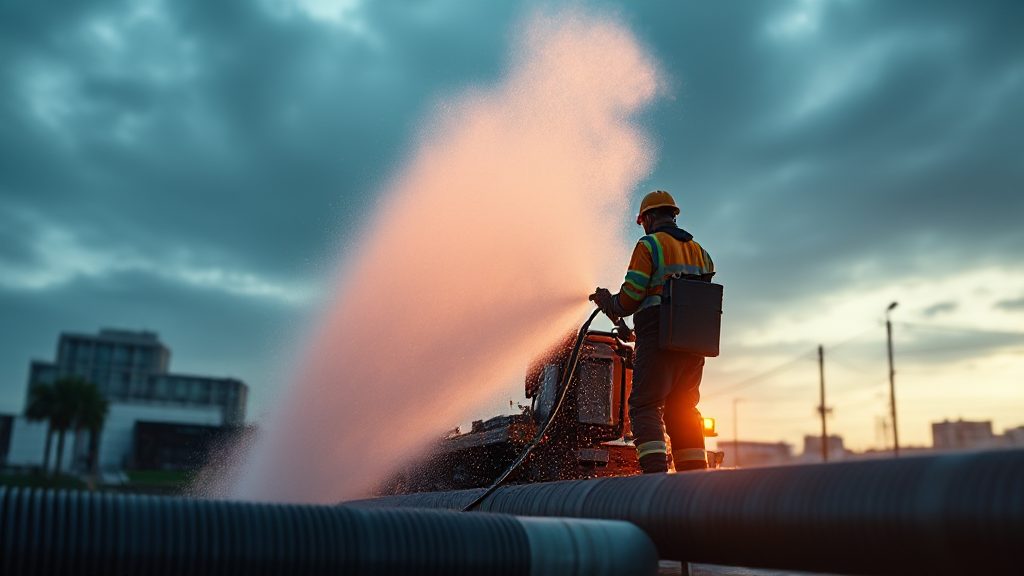
Manual augers work on a single sink trap. They fail on a main sewage line packed with grease and roots. A proper hydro-jetting unit delivers pressurized water that scours the full pipe diameter, not just a hole through the blockage. Rotating cables handle bends and smaller branches, and inspection cameras show what caused the problem so it does not repeat next month. A dedicated desentupidora Cidade Ademar São Paulo SP operation carries all three on the same truck, which means one visit instead of three.
3. Sewage and grease are treated as normal work, not a special case
Many generalists quietly decline anything involving sewage backup because it requires protective gear, proper disposal, and a willingness to work in unpleasant conditions. For a specialized team, clearing a backed-up sewer line is routine. That matters in Cidade Ademar, where mixed residential and commercial buildings share aging networks and restaurants produce heavy grease loads. The same applies to fossa septica cleaning, which needs a vacuum truck and a licensed disposal site — not something a handyman can improvise.
4. One company is accountable end to end
With a call center, the person who answers the phone is not the person who shows up, and the person who shows up may not be the one who guarantees the work. When something goes wrong, responsibility bounces between parties. A local company owns the whole chain: the diagnosis, the clearing, the cleanup, and the follow-up. If the same drain clogs again within the warranty window, you call one number and the same organization responds.
5. Condominiums get a partner, not a one-off visit
Sindicos and building managers have a different problem from homeowners: shared stacks, multiple units, and residents who all report the same smell at once. A local provider can set up preventive maintenance of the sewage network — scheduled jetting of the main lines before the rainy season, periodic inspection, and a documented history of what was done. That documentation is what protects the building when a dispute arises over who caused a backup. General call centers rarely offer continuity; each visit is anonymous.
6. Pricing is transparent because the scope is known
A specialist quotes based on the type of blockage, the pipe diameter, and the access point — all things they can assess quickly. A generalist often quotes a low visit fee and then adds charges once the real problem appears. In practice, the cheaper-looking call is frequently the more expensive outcome. The desentupidora em Cidade Ademar São Paulo SP model prices the actual service, which makes comparison possible before work begins.
7. Emergencies at night and on weekends are covered
Blockages do not respect business hours. A backed-up drain at 2 a.m. in a commercial kitchen or a flooded bathroom on a Sunday needs someone who answers the phone and dispatches a crew. A handyman is asleep; a call center may answer but cannot guarantee a local crew. A 24-hour local operation is built around exactly this scenario, which is why emergency response is usually the first thing residents check.
When the Alternatives Still Make Sense
This is not a blanket verdict. A single slow-draining bathroom sink with no sewage smell is often a hair clog in the trap, and a handyman or even a plunger can solve it for very little. Similarly, a landlord who needs a quick cosmetic fix before a tenant moves in may not need a full hydro-jetting service.
The alternatives fail when the problem is structural: repeated clogs in the same line, water rising in multiple fixtures at once, sewage odor in the building, or a fossa that has not been pumped in years. Those are signals that the issue is in the main line or the septic system, and that is where the specialized setup pays for itself. Repeated blockages in the same spot are a diagnosis problem, not a cleaning problem, and only a crew with inspection cameras can tell you why.
There is also a practical middle ground: use a generalist for a one-off minor clog, but keep a specialized contact on file for anything involving sewage, shared building lines, or emergencies. Most households in Cidade Ademar end up with both numbers saved.
Frequently Asked Questions
How quickly can a desentupidora arrive in Cidade Ademar?
Response time depends on traffic and the time of day, but a local crew typically arrives faster than a company dispatching from another district. For emergencies, call and confirm the estimated arrival window before authorizing the service.
Does a desentupidora handle sewage backups or only sinks and drains?
A specialized company handles both. Sewage lines, grease traps, storm drains, and fossa septica cleaning are core services, not exceptions. If a provider hesitates when you mention sewage, that is a sign to call someone else.
Is hydro-jetting safe for older pipes?
When pressure is adjusted to the pipe material and condition, yes. A trained technician inspects the line first and chooses the pressure accordingly. The risk comes from untrained operators using maximum pressure on fragile pipes.
Can a condominium schedule preventive maintenance?
Yes. Scheduled jetting and inspection of the main lines before peak usage periods reduces emergency calls and gives the building a documented maintenance history. This is usually arranged directly with the syndic or building manager.
What should I have ready when I call?
Have the address, the type of problem (slow drain, backup, odor), how many fixtures are affected, and whether the property is residential or commercial. This lets the dispatcher send the right equipment on the first visit.
In the end, the recommendation is straightforward: for anything beyond a single minor clog, choose the local specialized setup. It arrives faster, brings the right machine, takes responsibility for the result, and can prevent the next emergency instead of just reacting to this one.